Bickley Park market stalls florist licensing and permits
Posted on 11/10/2026
If you are planning to sell flowers at a market in or around Bickley Park, the licensing side can feel like the least romantic part of the business. Still, it matters. A lot. Bickley Park market stalls florist licensing and permits shape where you can trade, what you can display, how you manage waste and water, and whether your stall runs smoothly on a busy Saturday morning when the market is buzzing and customers are choosing between roses, seasonal stems, and hand-tied bouquets.
In plain English: the flowers may be the easy part. The permissions are what keep the stall legal, tidy, and credible. This guide breaks down what usually applies, how the process works, what to check before you trade, and the common pitfalls florists run into when they move from online orders or shop sales into market trading. You will also find a practical checklist, a comparison table, and a realistic example of how a florist might prepare for the first market day.
- Why it matters
- How it works
- Key benefits and practical advantages
- Who this is for and when it makes sense
- Step-by-step guidance
- Expert tips for better results
- Common mistakes to avoid
- Tools, resources and recommendations
- Law, compliance, standards, or best practice
- Options, methods, or comparison table
- Case study or real-world example
- Practical checklist
- Conclusion
- Frequently asked questions
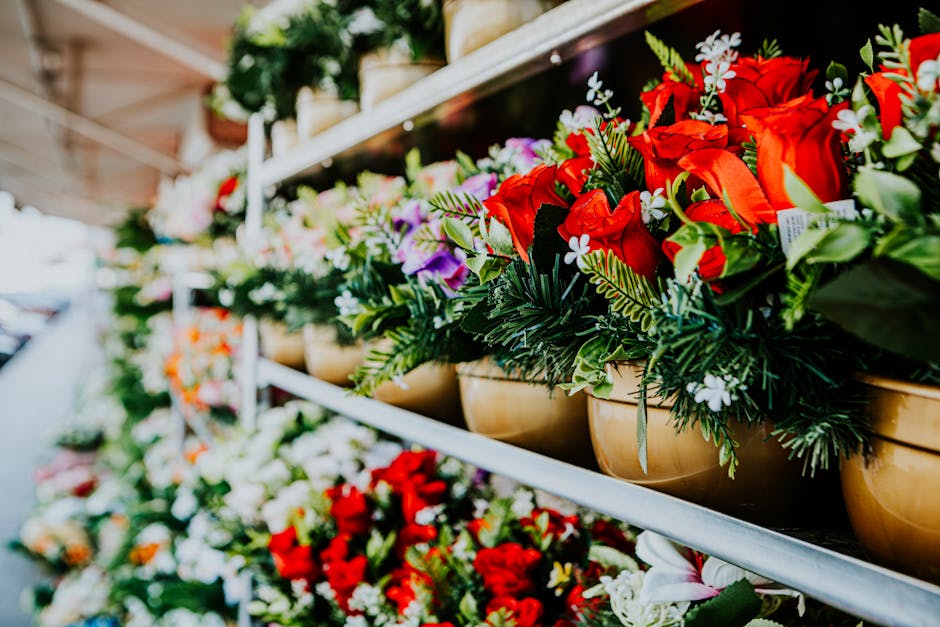
Why Bickley Park market stalls florist licensing and permits Matters
Market trading looks simple from the outside. You turn up, unload your stock, set out buckets of flowers, and talk to customers. But behind that calm, friendly scene is a layer of permissions that helps protect the market, the public, and your business.
For florists, the licensing question usually matters for four reasons. First, it establishes whether you are allowed to trade in that location at all. Second, it clarifies what type of stall or pitch you can use. Third, it sets expectations around insurance, hygiene, waste, and trading hours. And fourth, it helps you avoid the awkward situation of being told to stop trading halfway through a day because something was missed. Nobody wants that, least of all after setting up before sunrise with damp buckets and half a dozen crates.
To be fair, a lot of new traders assume a market pitch is just a matter of paying a fee. Sometimes it is close to that. Sometimes it is not. In practice, market operators, landowners, and local authorities can each play a role. The exact permission chain depends on where the stall is, who runs it, and whether the market is on private land, council-managed land, or a mixed-use site. That is why it is worth slowing down before you book stock or print price cards.
Licensing and permits also affect your reputation. Customers notice whether a stall looks orderly, professional, and safe. They notice whether flowers are fresh, water is handled cleanly, and the display feels organised rather than improvised. Compliance is not just a legal issue. It is part of trust.
How Bickley Park market stalls florist licensing and permits Works
There is no single national "flower stall permit" that covers every market in the UK. Instead, the permissions normally sit across a few different layers. You may need a market pitch agreement, proof of public liability insurance, a waste disposal plan, and possibly additional permission if you are placing any structure beyond the stall footprint or using vehicles in restricted areas.
In a typical setup, the process begins with the market organiser. They decide who may trade, what categories are allowed, what size pitch is available, and which documents they need before confirming your space. Some markets accept casual or occasional traders. Others prefer regular stallholders and may require a more formal application. If the market is part of a larger retail or event site, there may also be site rules about access, loading windows, stall appearance, and fire safety.
For flower sellers, the details matter because floristry is a fresh-goods business. You may be handling buckets of water, thorny stems, floral foam, wrapping materials, cool boxes, and waste stems. That creates practical obligations that a candle seller or craft trader might never face. A little planning goes a long way.
Here is the broad pattern most florists run into:
- You identify the market and check who controls the pitch.
- You ask what permission is needed for a florist stall specifically.
- You provide any requested business details, insurance, and product information.
- You agree to pitch terms, fees, trading times, and site rules.
- You prepare stock, equipment, and compliance documents before trading day.
- You review the arrangement regularly, especially if you trade on more than one day or in more than one location.
That may sound straightforward, and often it is. But the devil, as ever, lives in the small print. A market may allow flowers but restrict water discharge, generator use, vehicle access, or signage placement. Those little details can make or break the first month.
If you are also operating as a local florist beyond the market stall, it helps to keep your trading activity tied together. A strong business foundation matters whether you are selling single stems, bouquets, sympathy flowers, or seasonal displays. Many traders use their retail presence to support wider demand, including florist services in Bickley BR2 and delivery options such as flower delivery in Bickley BR2.
Key Benefits and Practical Advantages
When the licensing side is handled properly, the benefits show up in ordinary ways. Less stress. Better setup. Fewer awkward conversations. More time to focus on the actual selling, which is the bit most florists enjoy.
- Clear trading rights: You know exactly where and when you can sell.
- Professional credibility: A permitted stall looks and feels more trustworthy to shoppers and organisers.
- Operational consistency: Stable pitch arrangements make staffing, stock ordering, and transport planning much easier.
- Lower risk of disruption: Proper permissions reduce the chance of being moved on or challenged mid-trade.
- Better customer experience: Compliance usually goes hand in hand with tidy presentation, safe handling, and cleaner working practices.
There is also a commercial upside that people sometimes overlook. Once your permission is sorted, you can think more clearly about product mix. A stall can be designed around quick-selling bunches, premium hand-tied bouquets, seasonal offers, or event-specific stems. That flexibility helps you learn what local customers really buy instead of guessing from the back room.
For example, a market florist might discover that smaller mixed-colour bouquets sell faster than large luxury arrangements on weekday mornings, while weekend shoppers lean towards gift flowers, roses, and seasonal statement pieces. You only learn that with enough trading time, and you only get that time when the permissions are in place and reliable.
Who This Is For and When It Makes Sense
This topic is for more people than you might think. It is not only for established shop florists. It is also relevant if you are starting small, testing a new line, or adding market trading as a side channel.
You may need to pay attention to Bickley Park market stalls florist licensing and permits if you are:
- a florist opening a stall for the first time;
- an existing flower shop owner expanding into market trading;
- a wedding florist testing retail demand between event seasons;
- a home-based florist looking for a local sales outlet;
- a seasonal trader focusing on holidays, Mother's Day, Valentine's Day, or Christmas;
- someone joining a shared market or pop-up retail space.
It makes sense to invest in the licensing side when you want predictability. If you are only doing a one-off event stall, the process may be lighter, though you still need permission and insurance. If you want recurring trade, the paperwork becomes part of the business rhythm. That is the point where careful setup starts saving real time.
Not every florist should rush into market trading. Some do better with pre-orders, weddings, or delivery-led sales. Others thrive in person because customers respond to colour, scent, and quick advice. Honestly, if you enjoy helping someone choose a bouquet while they are standing right in front of the flowers, a market stall can feel very natural.
If your business already supports occasion-led buying, the stall can complement the rest of your range. Customers who discover you in person may later order online for birthdays, anniversaries, or sympathy needs, which is where a wider catalogue helps. A page such as flower shops in Bickley BR2 can support that broader customer journey.
Step-by-Step Guidance
If you are unsure where to start, keep it simple. One good conversation with the market operator can save hours later. Below is a practical route through the process.
- Identify the exact market and pitch type.
Find out whether the stall is regular, seasonal, indoor, outdoor, or event-based. A florist stall by the entrance may come with different rules from a pitch tucked under a canopy near the centre. - Ask who controls the permission.
It may be the market organiser, a council, a private landlord, or an event company. Do not assume one conversation covers everything. - Request the trader pack or pitch conditions.
Look for notes on fees, dimensions, access, opening hours, what can be sold, and what documents are required. - Prepare your insurance and business details.
Public liability insurance is commonly requested for market trading. Keep your business name, contact details, and emergency contact info ready. - Check product and display rules.
Florists may need to confirm they are selling cut flowers, plants, arrangements, accessories, or related gifts only. Some markets are stricter than others. - Plan water, waste, and storage.
Flowers need water. Buckets need stability. Cardboard, leaves, cut stems, and wrapping need disposal. A simple setup saves a lot of faff on the day. - Confirm vehicle access and load-in times.
Many issues happen at the gate. Know where to park, when to unload, and how long you have before trading starts. - Build your stall layout in advance.
Map out buckets, price signs, payment device, packaging, and a small reserve of stock. A rough sketch on paper is often enough. - Keep a copy of every approval.
Save emails, permits, and invoices in one place. If anyone asks, you can show them quickly. - Review after the first few markets.
Notice what sold, what customers asked for, and what slowed you down. Then adjust.
One small but useful habit: write down the organiser's name and mobile number. On a windy, wet morning with petals blowing across the pavement, you will be glad you did.
Expert Tips for Better Results
A florist market stall is part retail, part theatre. People shop with their eyes first. Then they read the prices. Then they ask questions. So the stall has to work hard in a small space.
Here are the things that usually make the biggest difference:
- Use a clear tiered display: Put taller arrangements behind, everyday bunches at hand level, and impulse buys near the front.
- Keep pricing visible: Customers should not have to ask the price of every bunch. It slows everything down.
- Offer a mix of quick-buy and special items: Think single-stem bunches, wrapped bouquets, premium seasonal stems, and a few ready-made gifts.
- Design for the weather: Wind, rain, and bright sun all change how flowers behave. Tubs, weights, shade, and covers are worth the effort.
- Stay tidy through the day: Snip off tired stems, wipe up spills, and remove damaged packaging before it gets messy.
- Make payment easy: Market shoppers still like cash sometimes, but card and contactless matter more and more.
- Use seasonal language: "Spring", "summer", and "autumn" displays help shoppers buy quickly without overthinking it.
A slightly unglamorous truth: the best stalls are often the ones that look like they have a system. Not too polished, not too stiff. Just calm, fresh, and in control. That impression does a lot of selling.
If you are building stock for a stall and a delivery business at the same time, keep your range consistent across channels. The same customer who picks up a small bunch on market day may later order same day flower delivery in Bickley BR2 or browse best flower delivery in Bickley BR2 for a bigger occasion.
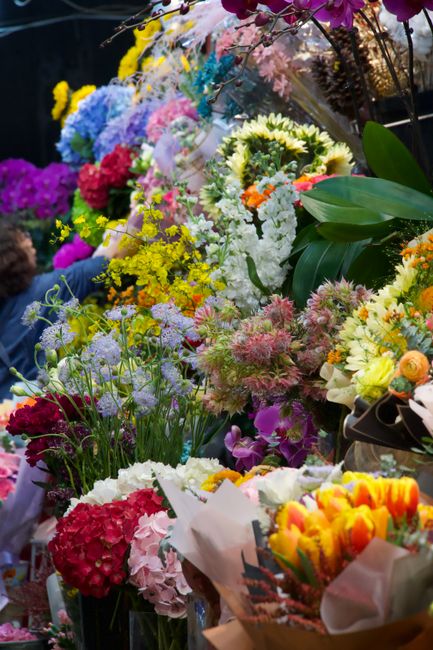
Common Mistakes to Avoid
Most problems are preventable. The frustrating thing is that they are often small mistakes, not dramatic failures. A missing email. A vague agreement. A bucket arrangement that looked fine at home and chaotic in the wind.
- Assuming the market is automatically covered: Always confirm the pitch permission yourself.
- Skipping insurance because it seems expensive: One incident can cost far more than the policy.
- Ignoring waste handling: Cut stems, water, packaging, and damaged flowers need a plan.
- Bringing too much stock on day one: Start with what you can manage and refine after you see demand.
- Not checking loading rules: A lovely stall means nothing if you cannot unload in time.
- Underestimating weather impact: Flowers need shade, water, and simple protection from sudden changes.
- Using unclear prices: Nothing stalls a sale quite like a customer asking three times for the cost of a bunch.
Another common slip is to treat a market as a one-off gig and forget that repeat trade is built on reliability. Market managers remember the trader who turns up on time, keeps the pitch tidy, and follows the rules. They also remember the one who does not. Fairly or not, that reputation sticks.
Tools, Resources and Recommendations
You do not need an elaborate setup to get started. In many cases, the smartest tools are the practical ones that make the stall easier to run. Here is a straightforward kit of things to think about.
- Pitch agreement or trader pack: Keep the terms close at hand.
- Public liability insurance certificate: Often requested before trading begins.
- Waterproof containers and buckets: Essential for flowers, obviously, and worth buying well before opening day.
- Price cards and signage: Clear enough to read at a glance.
- Card payment device: Helpful for impulse buys and higher-value bouquets.
- Waste bags and a small clean-up kit: Gloves, cloths, and a bin liner or two make life easier.
- Notebook or phone notes: Track best sellers, customer requests, and seasonal patterns.
When it comes to the business side, it also helps to read the supporting website pages that affect your day-to-day trading. For example, if you are ordering stock or planning customer deliveries beyond the market, the site's delivery information, payment guidance, and terms and conditions can be useful to keep aligned with your wider sales process.
If you are focusing on sustainability, the stall can be a good place to show it. Reusable buckets, reduced plastic, compostable wrapping where suitable, and smarter stock rotation all make sense. The best part? Customers notice. Not in a preachy way. Just as a quiet sign that you care about the details.
Law, Compliance, Standards, or Best Practice
This is the section where it pays to be careful. Market trading rules can differ by location, so you should treat any compliance guidance as a framework, not a substitute for the exact pitch terms you are given. That said, there are a few general standards florists should keep in mind.
First, trading permissions. If you are occupying a stall or pitch, you usually need the organiser's consent in writing. If a site falls under local authority oversight or a private management agreement, there may be additional conditions attached. Second, insurance. Public liability cover is commonly expected for market traders. Third, consumer fairness. Prices, product descriptions, and substitution practices should be clear and honest. Fourth, safety and hygiene. Water containers, sharp tools, and packaging should be managed sensibly so the stall remains safe for staff and customers.
Best practice also includes being upfront if your flowers are seasonal or availability changes during the day. That is normal in floristry. Some stems sell out. Some products substitute better than others. Clear communication avoids disappointment and helps customers trust you.
There may also be practical restrictions about food-adjacent products, electrical equipment, vehicle idling, or stall structures. If you plan to add signage, lighting, or display stands, check whether they fit within the pitch rules. It sounds mundane, but these are the details that prevent conflict.
From a business-protection point of view, keep records. Save your pitch approvals. Keep receipts. Hold copies of insurance. If there is ever a query, you want the answer to be easy to find, not buried in a half-charged phone and an inbox full of unrelated emails. We have all been there.
Options, Methods, or Comparison Table
Not every florist uses the same route into market trading. Some begin with a casual stall, some sign up to a regular pitch, and some combine markets with online sales and delivery. Here is a simple comparison of the main approaches.
| Approach | Best for | Pros | Watch-outs |
|---|---|---|---|
| Occasional market stall | Testing demand or trading at special events | Lower commitment, flexible scheduling, easy to trial | Less predictable income, permissions may change often |
| Regular weekly pitch | Building repeat local trade | Stronger visibility, steadier customer base, easier planning | More obligation, more stock discipline, fixed attendance |
| Market plus delivery model | Florists who want multiple sales channels | Broader reach, better brand awareness, more upsell opportunities | More admin, stock coordination, customer service demands |
| Pop-up or seasonal stall | Holidays and peak flower periods | Good for high-demand dates, less year-round overhead | Short selling window, weather and staffing pressure |
The right route depends on your goals. If you want to build a stable local presence, a regular pitch is usually better. If you are still testing product mix, a short-term stall can be the smarter move. No shame in starting small. Honestly, that is often the wiser path.
Case Study or Real-World Example
Picture a small florist preparing for a Saturday market in the Bickley Park area. They already sell bouquets online, but they want face-to-face sales and a chance to learn what local customers buy without waiting for website traffic to do all the heavy lifting.
They begin by asking the market organiser for the pitch rules. The organiser confirms the stall size, set-up time, and the need for proof of insurance. The florist then checks what products are allowed and learns that fresh flowers, arranged bouquets, and small gift items are fine, but the stall must not extend beyond the marked pitch. Water containers need to sit securely, and waste must be removed before close.
Armed with that, the florist prepares a tighter stock selection: a few premium hand-tied bouquets, some lower-cost mixed bunches, and a small section of seasonal stems for impulse buys. They bring clear price signs, a compact card reader, and extra wrapping. On the day, they arrive early enough to avoid rushing, and the stall feels calm rather than chaotic.
The interesting bit is what happens after opening. Shoppers ask for quick gift options more often than expected, so the florist shifts some stock towards ready-to-go bouquets. By the end of the day, they have not just made sales; they have learned something useful about local demand. That is the real win. Not just trading, but learning.
From there, the business can connect the stall to broader offers such as same day flower delivery in Bickley BR2, seasonal gifting, or even wedding work when customers start asking about larger event orders. A market stall can become a very practical front door to the rest of the business.
Practical Checklist
Use this checklist before your first market day. It is simple on purpose.
- Confirm the market operator and who authorises your pitch.
- Get the pitch terms in writing.
- Check whether you need public liability insurance.
- Confirm your trading hours, load-in time, and load-out time.
- Check what flower products are permitted.
- Plan for water, waste, and safe storage.
- Prepare visible pricing and simple signage.
- Bring a payment card reader and backup payment option if possible.
- Pack weather protection for flowers and packaging.
- Keep copies of approvals, invoices, and insurance documents.
- Review the stall after the first trade day and adjust stock.
Quick expert summary: if the pitch permission is clear, the insurance is in place, and the stall layout is easy to run, you are already ahead of most first-time traders. The flowers then get to do what they do best: sell themselves, just a little, with your help.
For florists who want to build a stronger local presence, it also helps to understand your wider offer. Pages such as about us, guarantees, and contact us can support trust once your market stall starts sending people back online.
Get a free quote today and see how much you can save.
Conclusion
Bickley Park market stalls florist licensing and permits may not be the prettiest part of the business, but they are one of the most valuable. Get them right and you create a calmer trading day, a more professional stall, and a better experience for customers. That means less last-minute scrambling and more space to focus on arrangement quality, presentation, and service.
For many florists, the market stall becomes a test bed for ideas. What sells first. Which colours stand out. Whether customers want ready-made bouquets or something more bespoke. The permissions are simply the structure around that learning. A sturdy frame, really. Nothing glamorous, but necessary.
And once the practical side is steady, the creative side can breathe. That is when market floristry starts to feel properly rewarding.
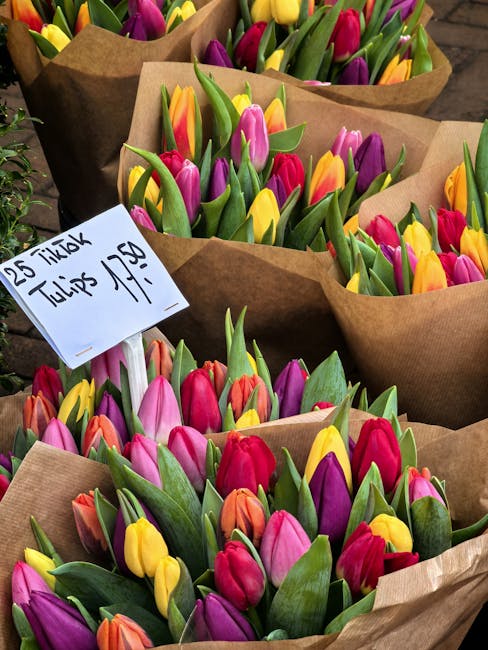
Frequently Asked Questions
Do I need a licence to sell flowers at a market stall in Bickley Park?
Usually, you need permission from the market operator or site manager, and in some cases additional local approval depending on who controls the land. It is best to confirm the exact arrangement before you trade.
What permits are usually required for a florist market stall?
Common requirements include a pitch agreement, proof of public liability insurance, and compliance with market rules on trading hours, stall layout, and waste handling. Some sites may ask for extra documents too.
Can I sell flowers casually at a one-off market without registering?
Not safely, no. Even for a one-off, you should get written permission and check whether insurance or event registration is required. Casual does not mean informal enough to skip the basics.
Do market stalls need public liability insurance?
Very often, yes. Many market organisers require it before they let you trade. It protects you if someone is injured or property is damaged in connection with your stall.
How do I know if a market allows fresh flowers?
Ask the organiser directly and request the trader conditions in writing. Some markets are open to fresh floristry, while others limit what can be sold or displayed.
What should I bring to a florist market stall?
At minimum, bring flowers, buckets, water, packaging, price signs, a payment device, cleaning supplies, and any permit or insurance documents. A small backup kit helps more than you might expect.
Are there special rules for water and waste at flower stalls?
Usually there are. Flowers need water, but stallholders are often expected to manage spills, dispose of cut stems properly, and keep the pitch clean. Check the site rules, because these details vary.
Is a market stall better than flower delivery for a local florist?
They do different jobs. A market stall builds visibility and direct customer contact, while delivery supports convenience and repeat orders. Many florists use both because the combination works well.
How much stock should I bring to my first market day?
Start conservatively. It is wiser to sell through a focused selection than to overbuy and watch flowers deteriorate. Once you learn what shoppers in that market actually want, you can scale up with more confidence.
Can I sell cards, gifts, or add-ons with flowers at the stall?
Often yes, if the market allows it. Add-ons like cards or small gifts can raise basket value, but always check the pitch rules so you stay within the permitted product range.
What is the biggest mistake new florist stallholders make?
The most common mistake is assuming the permission side is already covered. A close second is underestimating how much organisation is needed for water, display, pricing, and weather protection. It is rarely one big problem; it is a few small ones stacked together.
How often should I review my permits and pitch agreement?
Review them before each trading period, especially if you trade seasonally or at different markets. If the organiser changes rules or the site setup changes, you will want to know early rather than on the morning of trade.
Can market trading help my florist business beyond the stall itself?
Absolutely. A good stall can build local awareness, drive repeat customers, and support online ordering. It also gives you real-world feedback on what people like, which is useful whether you sell bouquets, event flowers, or delivery orders.